Silicon, Servers, and the Climate Bill: Holding Big Tech Accountable for AI's Energy Appetite
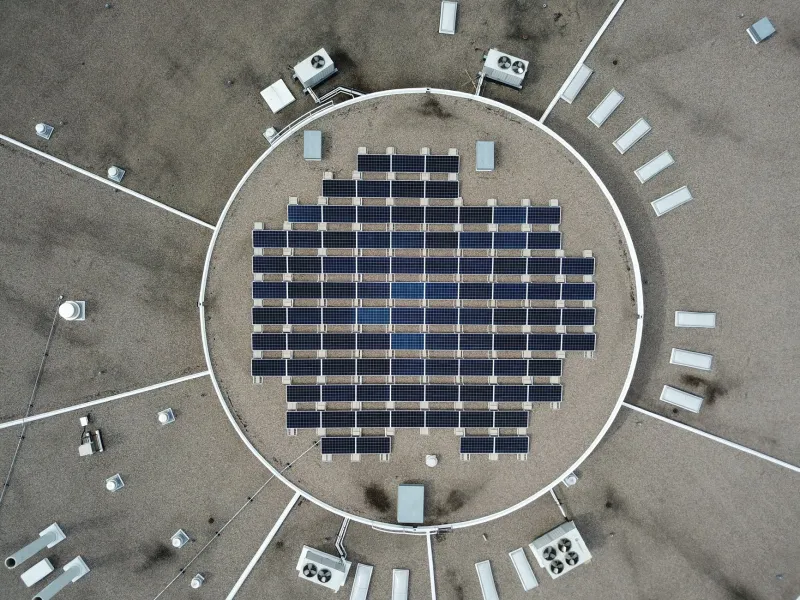
Somewhere in northern Virginia, a warehouse-sized building hums with the labor of thousands of processors simultaneously generating text, analyzing images, and training the next generation of machine learning models. Outside, power lines thick as a person's arm carry electricity from a regional grid still heavily dependent on natural gas. This scene, replicated across dozens of American states, encapsulates one of the defining environmental tensions of our era: the collision between the AI revolution and the imperative to decarbonize the economy.
For years, the technology sector positioned itself as a climate leader. Corporate renewable energy procurement programs, net-zero pledges, and high-profile solar and wind contracts made Silicon Valley boardrooms appear greener than most. Yet the explosion of generative AI — and the extraordinary computational infrastructure it demands — is straining those commitments in ways that deserve far greater scrutiny than they have so far received.
An Appetite That Keeps Growing
The scale of data center energy consumption is difficult to overstate. The International Energy Agency estimated that data centers worldwide consumed roughly 200 to 250 terawatt-hours of electricity annually in recent years — a figure that analysts expect to at least double by 2030 as AI workloads intensify. In the United States alone, data centers already account for approximately 2 percent of total national electricity consumption, and that share is rising sharply.
What makes AI particularly voracious is the nature of its computational demands. Training a single large language model can consume as much electricity as several hundred American homes use in an entire year. Inference — the process of actually running an AI model to generate responses — may seem less intensive per query, but when multiplied across billions of daily interactions, the aggregate load becomes enormous. Unlike streaming video or cloud storage, which have benefited from decades of efficiency optimization, AI hardware is still in relatively early stages of energy efficiency improvement.
The geographic concentration of these facilities compounds the problem. Northern Virginia's so-called "Data Center Alley" hosts the largest concentration of data centers on Earth, drawing power from a regional grid that, despite progress, still relies substantially on fossil fuel generation during peak demand periods. Similar clusters are expanding in Texas, Georgia, Arizona, and the Pacific Northwest — regions where grid reliability and renewable availability vary considerably.
The Credibility Gap in Corporate Climate Pledges
Major technology companies — Microsoft, Google, Amazon, Meta, and others — have made sweeping public commitments to operate on 100 percent renewable energy. These pledges deserve both acknowledgment and rigorous examination. The mechanisms underlying them matter enormously, and the details reveal a more complicated picture.
Most corporate renewable energy claims rest on the purchase of Renewable Energy Certificates, or RECs — tradable instruments that represent the environmental attributes of one megawatt-hour of renewable electricity. A company can purchase RECs generated anywhere in the country, at any time, and claim renewable status for its operations regardless of what power actually flows into its facilities at any given moment. Critics within the energy policy community have long argued that this accounting approach obscures the real-time carbon intensity of data center operations.
A more rigorous standard — 24/7 carbon-free energy matching, championed by Google and a growing coalition of utilities and clean energy advocates — attempts to align renewable energy procurement with actual hourly consumption. Under this framework, a company must demonstrate that clean electricity was flowing into the grid at every hour its facilities were drawing power. The difference between these two approaches is not merely technical; it determines whether corporate climate pledges translate into actual emissions reductions or remain largely symbolic.
Meanwhile, some of the same companies issuing ambitious sustainability reports are simultaneously lobbying for expedited permitting to build new fossil-fuel-connected data center campuses, or signing long-term agreements with utilities that will require additional gas generation to meet demand. The contradiction between public commitments and operational realities demands the kind of sustained corporate accountability that the Sustainable Energy Coalition has consistently advocated.
The Infrastructure Gap AI Is Exposing
Perhaps the most consequential dimension of this story is what the AI energy surge reveals about the inadequacy of America's clean energy infrastructure. The United States is not lacking in renewable energy ambition. Wind and solar deployment has accelerated dramatically over the past decade, driven by falling costs and federal incentives reinforced by the Inflation Reduction Act. But the grid infrastructure needed to deliver that clean power to where demand is growing — the transmission lines, substations, and storage systems — has not kept pace.
Permitting timelines for new transmission projects routinely stretch a decade or longer. Interconnection queues for new renewable energy projects have become so backlogged that many developers abandon viable projects before they reach construction. The result is a paradox: abundant renewable energy potential that cannot reach the data centers and communities that need it most.
This infrastructure gap is not merely a technical inconvenience. It is a policy failure with direct climate consequences. When new data center demand comes online faster than clean generation can be reliably connected, grid operators fill the gap with whatever dispatchable generation is available — which, in much of the country, means natural gas. The AI boom, left unaddressed, risks locking in fossil fuel dependency for years.
Policy Levers That Could Make a Difference
Addressing the hidden carbon cost of AI requires interventions at multiple levels of government and industry.
At the federal level, accelerating transmission permitting reform is essential. Legislation that streamlines federal reviews for high-voltage transmission corridors, particularly those connecting renewable-rich regions to demand centers, would reduce the infrastructure bottleneck that currently forces grid operators toward fossil fuel backup. The bipartisan support that transmission reform has attracted in recent congressional sessions should be translated into durable policy.
Regulators at the Federal Energy Regulatory Commission can strengthen requirements for transparency in data center energy sourcing, moving industry toward hourly accounting standards rather than annual REC-based reporting. State public utility commissions, particularly in states with large data center concentrations, should require utilities to demonstrate how new large-load interconnections will be served with clean energy before approvals are granted.
Corporate sustainability standards also need external enforcement mechanisms. Voluntary pledges, however well-intentioned, are insufficient when the financial incentives to cut corners remain powerful. Mandatory climate disclosure requirements — currently advancing through Securities and Exchange Commission rulemaking — would bring greater accountability to the gap between what technology companies promise and what their operations actually emit.
The Opportunity Within the Challenge
It would be a mistake to frame the AI energy challenge as purely a story of crisis. The technology sector's enormous capital resources and long-term contracting capacity also make it one of the most powerful potential drivers of new renewable energy development. When companies like Microsoft sign decade-long power purchase agreements for gigawatts of new wind and solar, they provide the revenue certainty that enables projects to secure financing and break ground.
The question is whether those investments are structured to genuinely advance decarbonization or primarily to satisfy disclosure requirements. Ensuring the former requires a combination of stronger standards, smarter policy, and sustained public pressure on companies to align their operational realities with their stated values.
The AI revolution is not going to slow down. The computational demands of the next decade will dwarf those of today. That reality makes it more urgent, not less, to establish the right frameworks now — before fossil fuel dependency becomes structurally embedded in the infrastructure powering America's digital future. The Sustainable Energy Coalition will continue pressing for the transparency, accountability, and policy ambition that this moment demands.